

Individualized Support Strategies for Effective Learning
In today's diverse educational landscape, one size does not fit all. Every learner has unique needs, strengths, and challenges that require tailored approaches for effective learning. Individualized support strategies are essential for fostering an inclusive environment where all students can thrive. This blog post explores various strategies that educators and caregivers can implement to provide personalized support, ensuring that every learner reaches their full potential.
Understanding Individualized Support
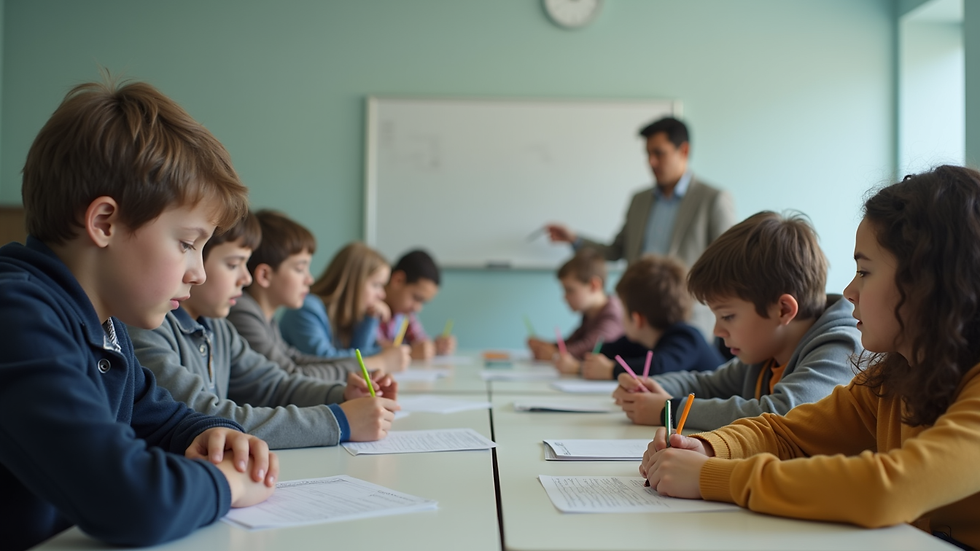
Individualized support refers to customized educational strategies designed to meet the specific needs of each learner. This approach recognizes that students come from different backgrounds, possess varying abilities, and have distinct learning styles. By focusing on the individual, educators can create a more engaging and effective learning experience.
The Importance of Individualized Support
Enhances Engagement: When students feel that their unique needs are being addressed, they are more likely to engage with the material.
Improves Learning Outcomes: Tailored strategies can lead to better understanding and retention of information.
Boosts Confidence: Personalized support helps students build self-esteem as they experience success in their learning journey.
Addresses Diverse Needs: Individualized strategies can accommodate various learning styles, disabilities, and cultural backgrounds.
Key Strategies for Individualized Support
1. Assessing Individual Needs
Before implementing any support strategies, it is crucial to assess each learner's needs. This can be done through:
Surveys and Questionnaires: Gather information about students' interests, learning preferences, and challenges.
Observations: Monitor students during lessons to identify their engagement levels and areas where they struggle.
Standardized Tests: Use assessments to gauge academic performance and identify specific learning gaps.
2. Differentiated Instruction
Differentiated instruction involves tailoring teaching methods to accommodate different learning styles and abilities. Here are some effective techniques:
Flexible Grouping: Group students based on their skill levels or interests for specific activities. This allows for targeted instruction and peer support.
Varied Content Delivery: Use multiple formats to present information, such as videos, hands-on activities, and discussions, catering to visual, auditory, and kinesthetic learners.
Choice Boards: Provide students with options for assignments or projects, allowing them to select tasks that resonate with their interests and strengths.
3. Scaffolding Techniques
Scaffolding involves providing temporary support to help students achieve independence in their learning. Effective scaffolding strategies include:
Chunking Information: Break down complex concepts into smaller, manageable parts to facilitate understanding.
Modeling: Demonstrate tasks or problem-solving processes before asking students to attempt them independently.
Guided Practice: Offer support during practice sessions, gradually reducing assistance as students gain confidence.
4. Utilizing Technology
Technology can play a significant role in providing individualized support. Consider these tools:
Learning Management Systems (LMS): Platforms like Google Classroom or Canvas allow for personalized assignments and tracking of student progress.
Educational Apps: Use apps that adapt to individual learning paces, such as Khan Academy or Duolingo, to reinforce skills outside the classroom.
Assistive Technology: Implement tools like speech-to-text software or audiobooks for students with learning disabilities.
5. Building Strong Relationships
Establishing a positive rapport with students is essential for effective individualized support. Strategies to foster relationships include:
Regular Check-ins: Schedule one-on-one meetings to discuss progress, challenges, and goals.
Active Listening: Show empathy and understanding by listening to students' concerns and feedback.
Encouragement and Praise: Recognize students' efforts and achievements to motivate them further.
Implementing Individualized Support in the Classroom
Creating a Supportive Environment
A supportive classroom environment is vital for individualized learning. Here are some tips for creating such an atmosphere:
Flexible Seating Arrangements: Allow students to choose where they sit based on their comfort and learning preferences.
Positive Reinforcement: Use rewards and recognition to celebrate individual and group successes.
Inclusive Curriculum: Ensure that the curriculum reflects diverse perspectives and experiences, making it relevant to all students.
Collaborating with Families
Engaging families in the learning process can enhance individualized support. Strategies include:
Regular Communication: Keep families informed about their child's progress and ways they can support learning at home.
Workshops and Resources: Offer workshops for parents on how to assist their children with homework or study skills.
Feedback Mechanisms: Encourage families to share their insights and concerns regarding their child's learning experience.
Case Studies: Successful Implementation of Individualized Support
Case Study 1: A Middle School Math Class
In a middle school math class, the teacher implemented differentiated instruction by using flexible grouping. Students were grouped based on their skill levels, allowing for targeted instruction. The teacher also provided choice boards for assignments, enabling students to select tasks that aligned with their interests. As a result, student engagement increased, and overall math scores improved significantly.
Case Study 2: An Elementary School Reading Program
An elementary school implemented a reading program that utilized technology to support individualized learning. Students used an LMS to access personalized reading materials and track their progress. The program included regular assessments to adjust reading levels as needed. This approach led to a noticeable increase in reading fluency and comprehension among students.
Challenges and Solutions
Common Challenges
Resource Limitations: Schools may lack the necessary resources to implement individualized support effectively.
Time Constraints: Teachers often struggle to find time for personalized instruction amidst a packed curriculum.
Resistance to Change: Some educators may be hesitant to adopt new strategies or technologies.
Potential Solutions
Professional Development: Provide training for educators on effective individualized support strategies and technology integration.
Collaboration: Encourage teamwork among teachers to share resources and strategies for supporting diverse learners.
Gradual Implementation: Start with small changes and gradually expand individualized support practices over time.
Conclusion
Individualized support strategies are essential for creating an inclusive learning environment where every student can succeed. By assessing individual needs, implementing differentiated instruction, utilizing technology, and fostering strong relationships, educators can provide the personalized support necessary for effective learning. As we continue to adapt to the diverse needs of our learners, let us commit to building a future where every student has the opportunity to thrive.
Next Steps
Consider how you can implement individualized support strategies in your own educational setting. Start by assessing your students' needs and exploring the various techniques discussed in this post. Remember, the goal is to create a learning environment that empowers every learner to achieve their best.


Comments